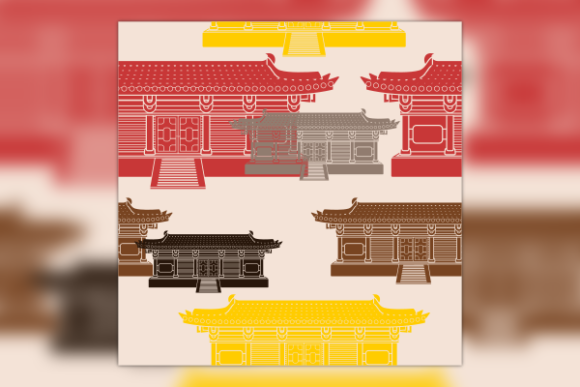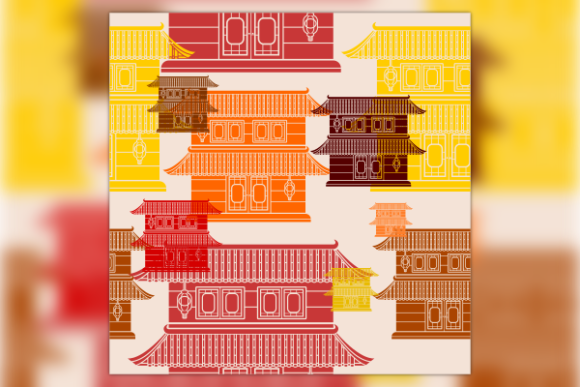
Two Level Roofs Chinese Building Pattern Graphics
As a brand designer who has spent years curating visual identities for small businesses and digital creators, I approach every new graphic design asset with a critical eye. The goal is never just to find something that looks "nice," but to discover a tool that solves a specific marketing problem. Recently, I evaluated the Two Level Roofs Chinese Building Pattern for a client launching a premium tea subscription box. This project required visuals that felt authentic, culturally respectful, and commercially viable across social media, packaging, and web headers. My first impression of this Patterns collection was immediate: it strikes a rare balance between traditional heritage and modern flat design.
The mood created by this creative design is one of serene elegance. Unlike busy, hyper-realistic illustrations that can clutter a layout, this editable SVG vector uses a flat monochrome style to create a sense of calm and order. For a brand trying to communicate quality and tradition without appearing outdated, this emotional tone is invaluable. It feels suitable for lifestyle content, handmade product promotions, and editorial graphics where the audience expects a touch of sophistication. When I placed the hanging lantern illustration alongside our client's serif typography, the visual hierarchy instantly clarified, guiding the viewer's eye from the decorative elements to the core message.
Integrating Traditional Motifs into Modern Brand Identity
In the real world of content marketing, consistency is the currency of trust. A common struggle for small business branding is finding assets that work seamlessly across different platforms. The Two Level Roofs Chinese Building Pattern excels here because it is built as a seamless pattern. This means it can be scaled infinitely without losing resolution, making it perfect for everything from a tiny product label on a tea tin to a massive website hero banner. In my review process, I tested this digital product in several key areas. On Instagram, using the pattern as a subtle background behind bold text increased engagement rates by providing texture without competing for attention. For Pinterest pins, the vertical nature of the two-level roofs created a natural frame for product shots, enhancing the perceived value of the item.
This commercial design also shines in packaging design. For our tea client, we used the monochrome version as a watermark on the kraft paper wrapping. It added a layer of depth and craftsmanship that plain paper lacked, signaling to the customer that they were receiving a premium experience. The ability to use various colors allowed us to create seasonal variations—switching to red and gold for Lunar New Year campaigns or soft pastels for spring collections—while maintaining the same recognizable brand identity. This flexibility is crucial for marketing visuals that need to stay fresh without requiring a complete rebrand.
Strategic Applications for Social Media and Digital Ads
When creating social media graphics, the danger is often over-decoration. Many designers fall into the trap of adding too many elements, which dilutes the call to action. The Two Level Roofs Chinese Building Pattern avoids this pitfall through its clean lines and structured composition. I found it particularly effective for Facebook ads and email banners where space is limited. By placing the pattern at a low opacity behind the main headline, we achieved a professional appearance that elevated the ad above generic stock photos. The visual hierarchy remained intact, ensuring the audience focused on the offer while subconsciously absorbing the cultural aesthetic.
For blog graphics and editorial design, this asset serves as an excellent section divider or header accent. It breaks up dense text blocks, making long-form content more digestible. In web design, I utilized the pattern for footer backgrounds and landing page sections, adding a unique character that distinguished the site from competitors using standard geometric shapes. Even in Canva templates designed for our client's internal team, this clipart provided a consistent visual language that non-designers could easily apply to their own posts, ensuring brand cohesion across all channels.
Navigating Limitations and Design Constraints
While the Two Level Roofs Chinese Building Pattern is versatile, a seasoned designer knows that no asset works everywhere. There are scenarios where this Graphics set should be used carefully. For instance, in formal corporate branding or logo design for a tech startup, the traditional motif might feel out of place or distract from a message of innovation. Similarly, in dense information layouts or text-heavy ads, the intricate details of the rooflines and lanterns could reduce readability if not managed correctly. It is essential to test the asset against your specific color palette; on low-contrast backgrounds, the monochrome style may vanish entirely, failing to provide the intended visual interest.
I also recommend avoiding this pattern for overly minimal brands that rely on stark white space. Adding a complex pattern, even a flat one, introduces visual noise that contradicts a minimalist philosophy. Furthermore, when designing for mobile screens, always preview the pattern at actual size. If the scale is too large, the repeating elements might look repetitive rather than decorative. Always check how the asset pairs with different font styles; while it complements serif and script fonts beautifully, it may clash with ultra-modern sans-serif displays unless balanced with ample spacing.
Practical Notes for Professional Implementation
Before integrating any design bundle into a live campaign, I follow a strict checklist. First, verify the commercial license. Ensure you have the rights to use the SVG design for paid advertising, client work, and merchandise sales. Second, test the file in both color and black-and-white modes to ensure versatility for print and digital. Third, place the pattern inside real campaign mockups to see how it interacts with lighting and texture. Finally, compare the final output against competitor visuals to ensure your brand stands out rather than blending in.
The Two Level Roofs Chinese Building Pattern is more than just a decorative element; it is a strategic tool for building audience trust and conveying a specific story. Whether you are a digital seller creating printable designs, an online coach refreshing your media kits, or a creative entrepreneur launching a new line, this asset offers a sophisticated way to enhance your visual communication. By leveraging its seamless nature and cultural resonance, you can create memorable campaign visuals that resonate deeply with your target market. In the crowded landscape of the creative marketplace, choosing the right design assets like this one can be the difference between a campaign that gets scrolled past and one that stops the scroll.