Part of Lotus Flower Pattern: A Designer Review
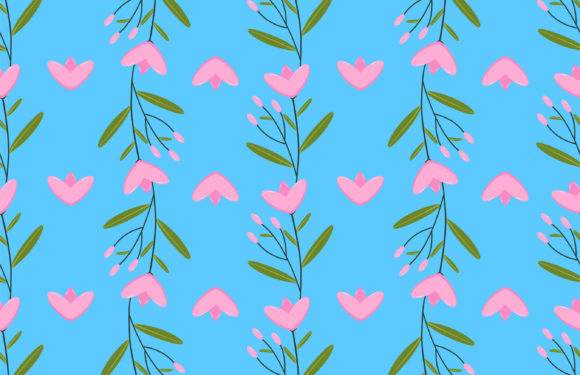
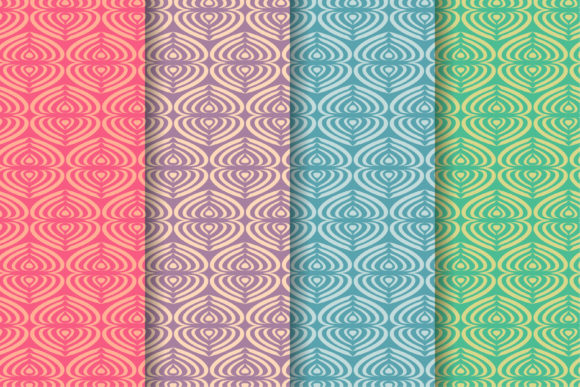
As a designer who has spent years translating digital concepts into tangible stitched goods, I approach every new machine embroidery design with a mix of curiosity and skepticism. The market is flooded with generic assets, so finding a piece that actually elevates a finished product requires a keen eye. Recently, I evaluated the Part of Lotus Flower Pattern, a set of line curve pattern templates described as resembling a lotus or a heart, featuring symmetric designs in pastel colors. On paper, it sounds simple, but simplicity in embroidery is often where the real magic—or the biggest pitfalls—hide.
The First Impression: Mood and Visual Flow
When I first opened the file to review the Graphics within this set, the immediate impression was one of soft elegance. The description notes a combination of pastel colors and symmetric layouts, which instantly suggests a specific aesthetic niche. Unlike heavy, dense floral motifs that can weigh down a garment, this design relies on line curves to create its form. This makes it feel airy and modern.
The visual personality of the Part of Lotus Flower Pattern leans heavily towards delicate, feminine, or spiritual themes. It evokes a sense of calm, making it an excellent candidate for items meant to soothe or comfort. However, because it is described as a "part" of a flower rather than a full bloom, it functions best as a decorative accent or a corner motif rather than a central, dominant image. In my experience, these types of Patterns work exceptionally well when they frame other elements, such as text on a tote bag or a monogram on a baby blanket.
A Real-World Scenario: The Custom Tote Bag Project
To truly understand how this design performs, let's imagine a practical application. Suppose you are an Etsy seller preparing a collection of custom embroidered tote bags for an upcoming craft fair. You want something that feels artisanal but doesn't look like a cheap transfer print. You decide to use the Part of Lotus Flower Pattern in the bottom corner of a natural canvas tote.
In this scenario, the pastel color palette becomes a critical decision point. If you stitch this directly onto unbleached canvas using light pastels, the contrast might be too low, causing the design to disappear from a distance. As a reviewer, I would advise testing the thread colors against your specific fabric texture before committing to a production run. Perhaps using a slightly darker outline or a contrasting fill stitch would bring out the line curves better. When executed correctly, however, this design adds a touch of boutique quality that customers associate with high-end handmade products. It signals attention to detail without overwhelming the utility of the bag.
Navigating Fabric Challenges and Stitch Density
While the Part of Lotus Flower Pattern looks promising, not all fabrics play nice with fine line work. One of the most common mistakes I see hobbyists make is applying delicate patterns to stretchy or textured materials without proper preparation. If you attempt to embroider this design on a thin cotton t-shirt or a knit sweatshirt, the fabric may pucker around the curves, distorting the symmetry.
This is where understanding stitch density and stabilizer usage becomes non-negotiable. Even though the description mentions the file is in high resolution, the actual stitch count and density depend on how the machine digitizes those lines. For a design based on curves, you need a cutaway stabilizer for knits to prevent distortion during washing. For structured items like pillow covers or aprons, a tear-away might suffice, but always test on scrap fabric first.
Furthermore, consider the hoop size. Because this is a symmetric design intended to be a "part" of a larger whole, ensure your hoop can accommodate the full width of the pattern without needing to re-hoop, which can lead to misalignment. If you are creating an embroidered patch, the backing needs to be rigid enough to support the satin or running stitches that likely define these curves.
Where Caution Is Required
- Dark Fabrics: Pastel colors will vanish on black or navy backgrounds unless you add a white underlay, which changes the design's original intent.
- Curved Surfaces: Applying this to caps requires careful placement; the curves of the hat might distort the geometric symmetry of the lotus shape.
- Frequent Washing: Items like kitchen towels or baby clothes endure harsh washing. Ensure the thread tension is perfect, as loose threads in fine line work unravel quickly.
- Small Details: If the file contains very tiny corners or tight loops, they may get lost if the needle size is too large or the thread is too thick.
Enhancing Product Value and Brand Consistency
For small business owners and creative entrepreneurs, the choice of design assets directly impacts brand perception. Using the Part of Lotus Flower Pattern consistently across your custom apparel or holiday gifts can create a recognizable signature style. Imagine a line of nursery decor where this pattern appears on swaddles, bibs, and wall hangings. The cohesive use of these symmetric, pastel curves creates a unified collection that feels curated rather than random.
This consistency builds customer trust. When a buyer sees a professional finish on a finished product, they are more likely to return. The design's versatility allows it to serve as a subtle watermark on a logo area or a bold statement on a sweatshirt embroidery project, depending on the scale you choose. However, remember that a design is only as good as its execution. Always review the digital embroidery file in your software to check for jump stitches or unnecessary trims that could affect the final look.
Practical Notes for Designers and Makers
If you are considering adding this to your library of commercial embroidery assets, here are my top recommendations based on this review:
- Test Before You Sell: Never skip the test run on scrap fabric. Check how the pastel threads react to your specific machine's tension settings.
- Mockup Wisely: Create both light and dark background mockups to visualize how the thread colors will perform. A printable mockup can save you hours of wasted thread.
- Licensing Check: Confirm the licensing terms before selling finished items. Ensure you have the right to use this embroidery file for commercial purposes, whether for physical goods or digital downloads.
- Stabilizer Matters: Do not skimp on stabilizers. Fine line curves require a stable foundation to maintain their integrity after stitching and washing.
- Consider Applique: While this is primarily a line pattern, think about whether an applique design version might offer better durability for heavy-use items like tote bags.
In conclusion, the Part of Lotus Flower Pattern offers a lovely, versatile option for designers looking to add a touch of grace to their projects. Its symmetric nature and pastel potential make it ideal for baby items, bridal accessories, and boutique branding. However, its success relies entirely on your ability to match it with the right fabric, stabilizer, and thread choices. By treating it as a serious design asset rather than just another download, you can turn simple line curves into a standout feature of your handmade business.