Ancient Japanese Ship Seamless Pattern: Graphics & Patterns
As a digital publisher who has spent years refining the visual language of content websites, I know that the difference between a casual blog and an authoritative brand often comes down to the quality of the design assets used. When I first encountered the Ancient Japanese Ship Seamless Pattern, my immediate reaction was one of curiosity mixed with professional skepticism. Does this graphic design asset offer enough versatility for real-world editorial use, or is it just another decorative element destined to sit in a folder? After testing it across various publishing workflows, from newsletter headers to Pinterest pins, I can confidently say this pattern brings a unique editorial mood that few other assets can match.
The Editorial Mood and Visual Identity
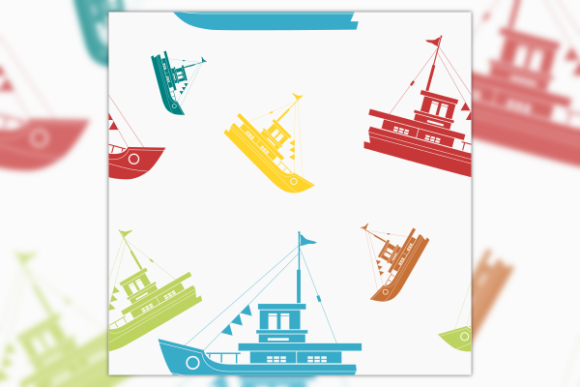
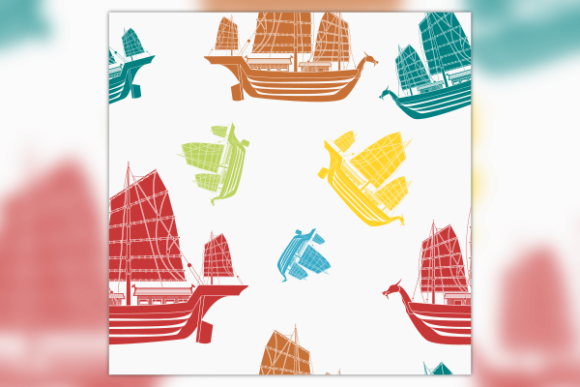
The first impression of the Ancient Japanese Ship Seamless Pattern is defined by its clean, flat monochrome style. Unlike many busy, ornate patterns that compete with text, this asset offers a side view ancient Japanese or oriental ship illustration that feels both historical and modern. It creates a sophisticated atmosphere that naturally supports niches focused on travel, history, culture, lifestyle, and even spiritual wellness. The flat aesthetic ensures that the design does not overwhelm the reader, allowing your headline copy to remain the focal point while the background provides subtle texture and depth.
For bloggers and small business owners looking to establish a strong brand identity, this pattern strikes a perfect balance between artistic flair and professional restraint. It feels less like a generic clip art and more like a curated element from a high-end creative marketplace. Whether you are designing a digital guide, a printable design, or a website header, the monochrome approach allows you to inject color through your own branding choices, making it a highly adaptable tool for content marketing.
Real-World Publishing Applications
In my recent workflow, I integrated the Ancient Japanese Ship Seamless Pattern into several key areas of my content strategy. One of the most effective uses was for creating featured images for articles about Japanese culture and travel. By using the Editable SVG vector format, I was able to adjust the colors to match my site's palette, ensuring consistency across the board. This level of customization is crucial for maintaining visual hierarchy and preventing the site from feeling disjointed.
Beyond standard blog posts, this asset shines in social media graphics. I created a series of Pinterest pins using the pattern as a textured background for quote overlays and product recommendations. The seamless nature of the design meant I could tile it without awkward gaps, creating a cohesive look that stands out in crowded feeds. Additionally, I utilized the pattern for newsletter banners and category thumbnails. The distinct silhouette of the ships helps readers instantly recognize specific sections of the site, improving navigation and user experience.
For those creating digital products, such as lead magnets, eBooks, or downloadable resources, this pattern adds a layer of polish that elevates the perceived value of the freebie. A simple PDF checklist becomes a premium digital download when wrapped in a well-designed cover featuring the Ancient Japanese Ship Seamless Pattern. It signals to the reader that the content inside is equally high-quality, which is essential for building trust and encouraging email sign-ups.
Enhancing Content Performance and Trust
Visual communication is the silent salesperson of any website. When a visitor lands on a page, their eyes scan for cues of professionalism before they read a single word. The Ancient Japanese Ship Seamless Pattern contributes to a stronger first impression by adding a layer of intentional design. It moves the site away from a plain, default look toward something that feels crafted and deliberate. This attention to detail fosters reader trust, which is a critical metric for affiliate marketing and converting visitors into customers.
Furthermore, the pattern aids in better click-through potential. In search results or social feeds, a thumbnail with a unique, recognizable pattern often performs better than a plain photo or a solid color block. It creates a visual hook that draws the eye. For affiliate marketers, this means more clicks on sponsored content; for educators, it means more engagement with course materials. The consistent use of this graphic across different touchpoints reinforces brand identity, making your content instantly recognizable regardless of where it appears online.
Strategic Placement and Best Use Cases
To get the most out of this asset, strategic placement is key. The Ancient Japanese Ship Seamless Pattern works exceptionally well as a hero image overlay, where it can sit behind bold typography without causing readability issues. It is also ideal for article thumbnails that need to stand out in a grid layout, provided the contrast is managed correctly. Editorial accents, such as section dividers or sidebar backgrounds, benefit greatly from the repetitive, calming rhythm of the ship illustrations.
I have found it particularly effective in Canva templates for social media posts and digital guides. Because it is an editable vector, it scales perfectly for everything from a small Instagram story to a large banner ad. However, creators should be mindful of where this pattern might feel out of place. While it is versatile, it may not suit serious corporate niches or industries that require a strictly minimal, sterile visual system. In those contexts, the cultural specificity of the ship motif might distract from the core message.
Publisher Notes and Technical Considerations
Before integrating the Ancient Japanese Ship Seamless Pattern into a live site, there are several practical steps every designer should take. First, always test the asset on both desktop and mobile screens. A pattern that looks crisp on a 4K monitor might appear muddy on a small smartphone if the resolution or contrast isn't optimized. Check how the pattern functions as a thumbnail; sometimes, intricate details get lost at smaller sizes, so ensure the ships remain distinguishable.
Preview the design inside a real blog layout to assess readability. Try pairing the pattern with different font styles—serif, sans serif, script, handwritten, and display fonts—to see which combinations create the best visual harmony. You should also test the asset in black and white to ensure it holds up for print versions or grayscale previews. Review the file size carefully; even though it is a vector, exporting it as a raster image for web use requires proper compression to maintain fast load times. Finally, always confirm the commercial license terms. If you plan to use this pattern on monetized websites, affiliate pages, or paid content products, you must ensure you have the rights to do so. With these checks in place, the Ancient Japanese Ship Seamless Pattern becomes a powerful addition to your library of design assets, ready to elevate your editorial design and web presence.